Zero Liquid Discharge (ZLD) Solutions in Baddi & Across India
Customized Zero Liquid Discharge (ZLD) solutions for industrial wastewater treatment, designed around water recovery, wastewater characteristics, treatment requirements, and sustainable water management.
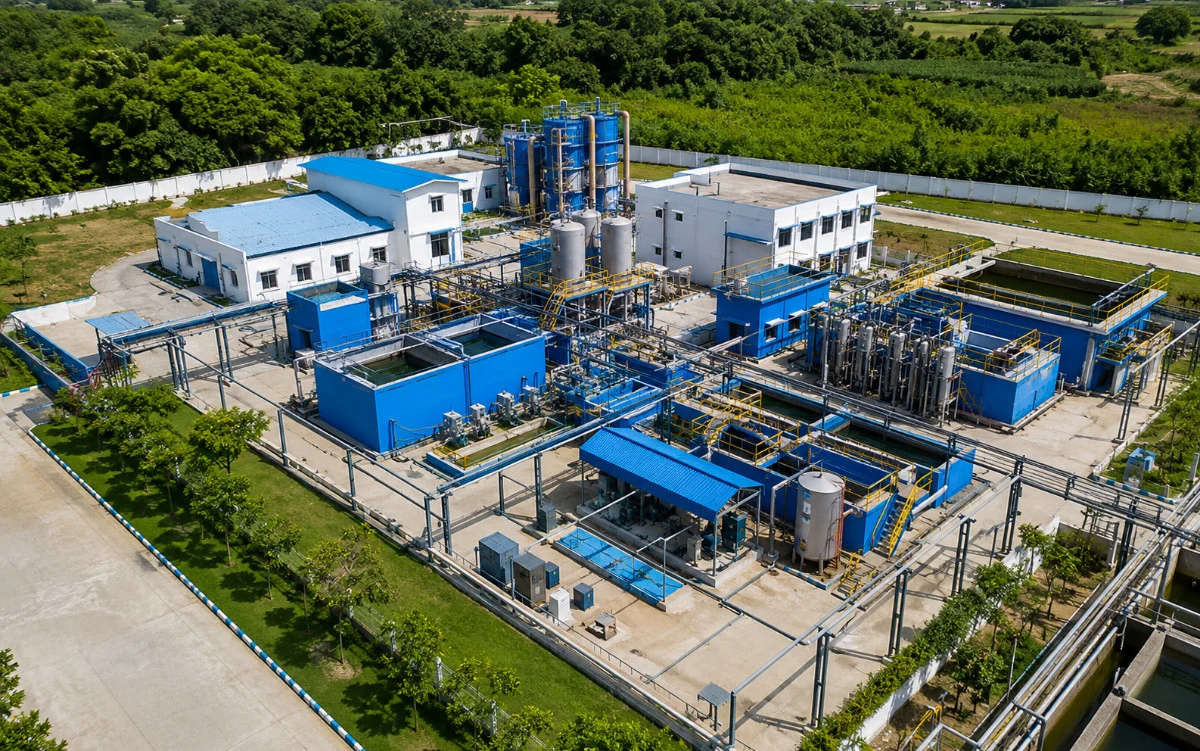
Advanced Zero Liquid Discharge Solutions for Sustainable Water Management
Industries generate wastewater containing dissolved solids, chemicals, and other contaminants that may require advanced treatment before reuse or further management. A Zero Liquid Discharge (ZLD) system is a wastewater management approach designed to recover water from treated streams and minimize or eliminate liquid effluent discharge, depending on the system configuration and project requirements.
ZLD systems can help water-intensive industries reduce freshwater dependency, increase opportunities for water reuse, and manage concentrated wastewater streams more effectively. The treatment configuration is selected according to wastewater characteristics, recovery objectives, and the required treatment performance.
At Shreya Environmental Consultancy Services (SECS), we provide customized ZLD solutions based on wastewater characteristics, water recovery objectives, and industrial requirements. Our support can include process selection, engineering, equipment, installation, commissioning, and operation & maintenance according to the project scope.
What is Zero Liquid Discharge (ZLD)?
A Zero Liquid Discharge (ZLD) system is a wastewater treatment approach designed to minimize or eliminate liquid effluent discharge from an industrial facility. It typically combines water recovery and concentration processes to recover reusable water while converting the remaining concentrated stream into a manageable solid residue, depending on the system configuration.
Unlike conventional wastewater treatment systems that may produce treated liquid effluent for discharge or reuse, ZLD is designed around further water recovery and management of concentrated residual streams. This approach can help industries reduce freshwater demand and minimize liquid waste discharge where ZLD is required or technically appropriate.
ZLD systems are commonly considered for water-intensive industries such as pharmaceuticals, chemicals, textiles, power generation, and manufacturing, particularly where water recovery and control of liquid discharge are important project objectives.
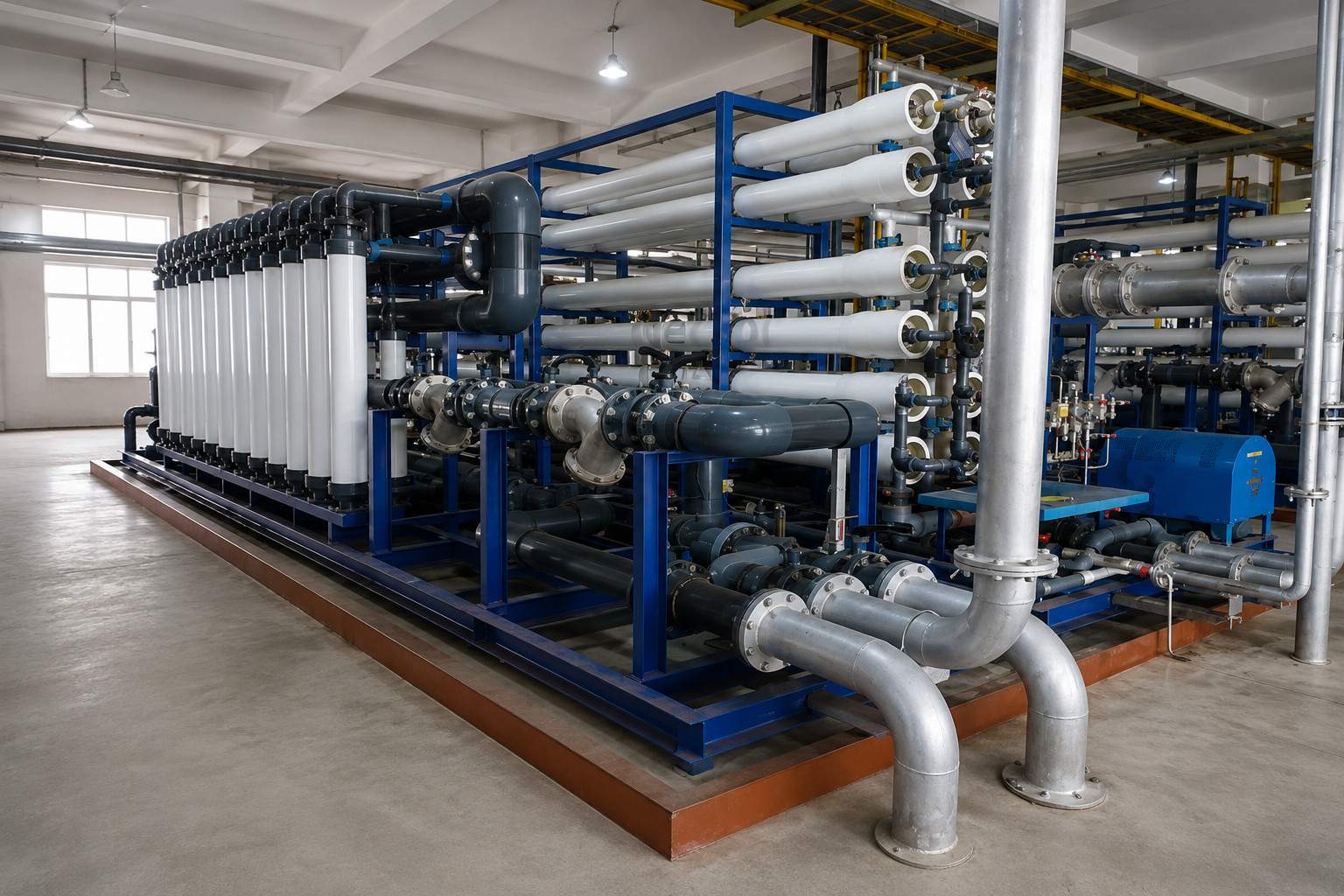
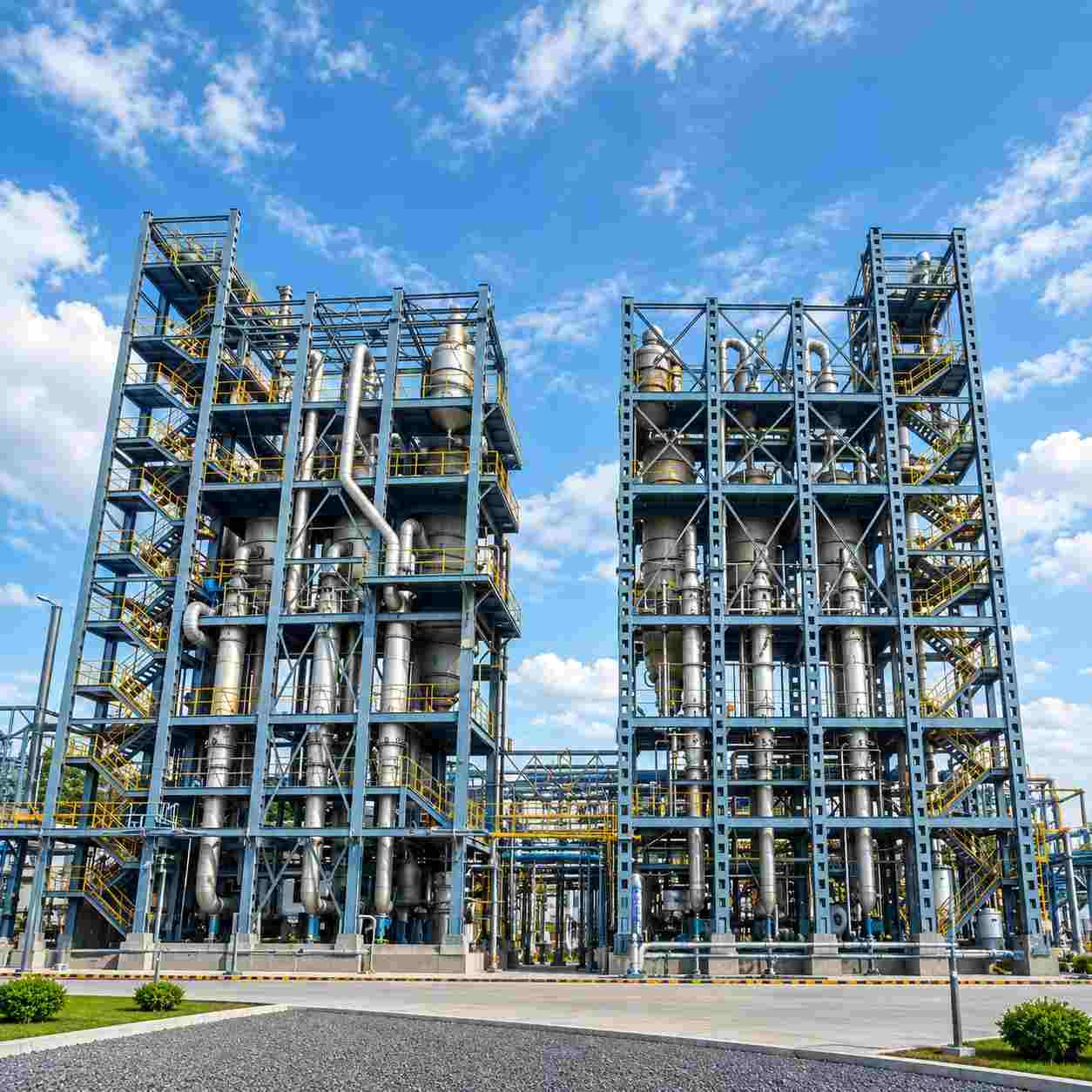
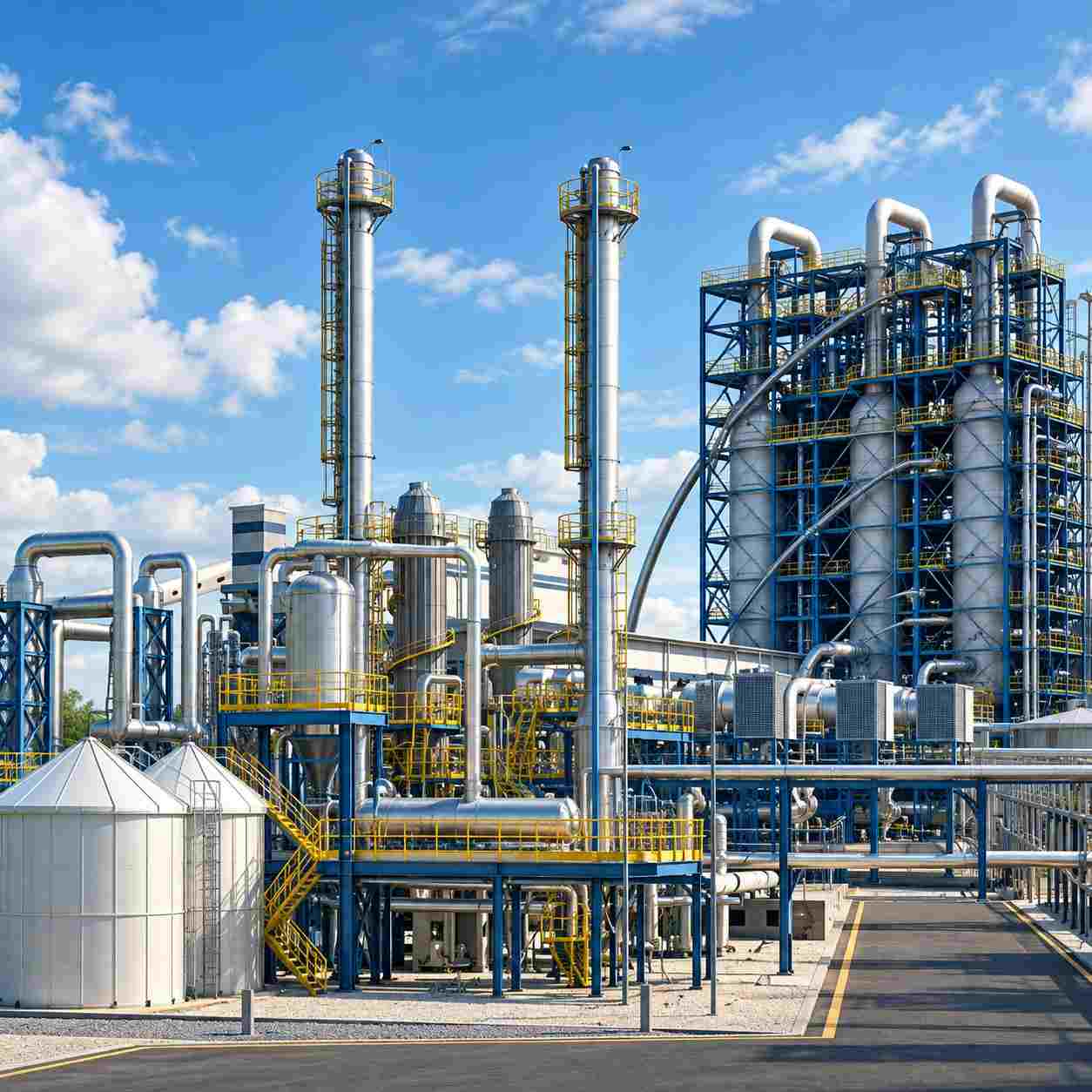
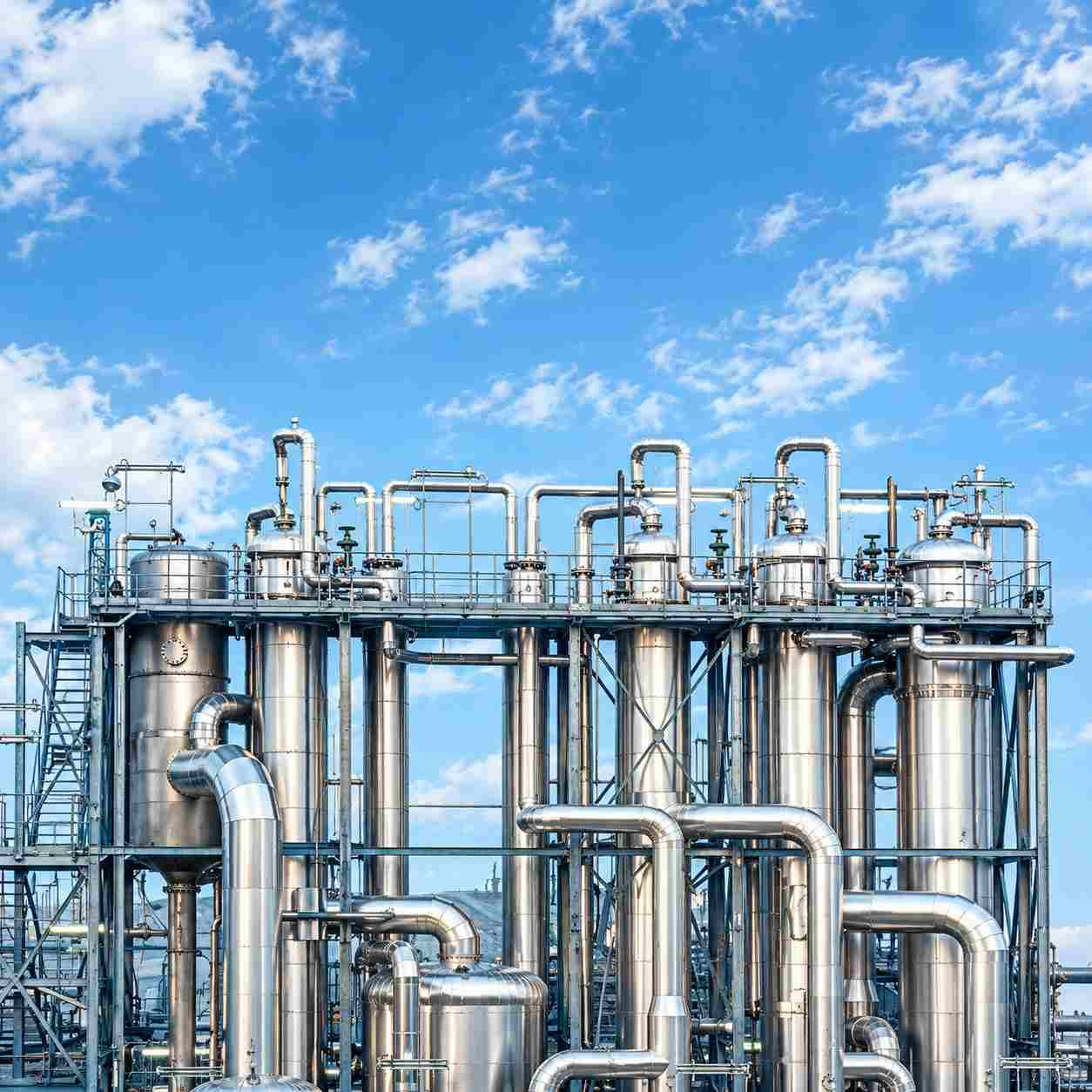
Zero Liquid Discharge (ZLD) Process
SECS provides advanced Zero Liquid Discharge (ZLD) solutions to maximize water recovery, minimize liquid waste, and support sustainable wastewater management.
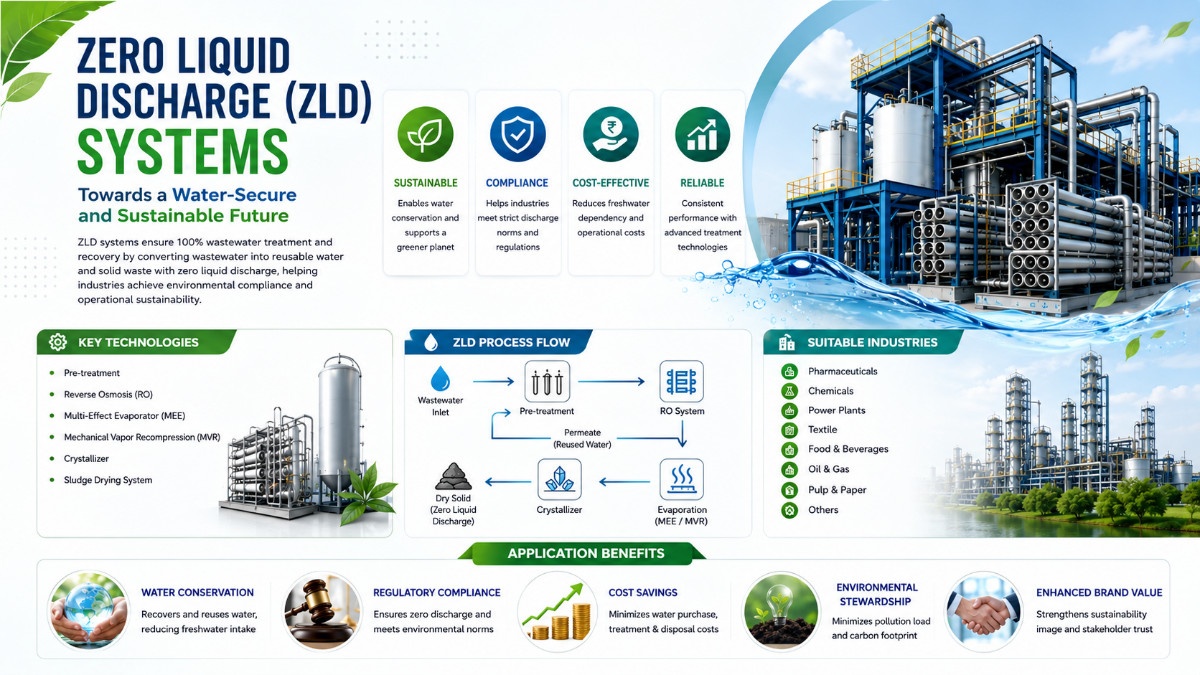
ZLD Treatment Flowchart
Explore the complete ZLD treatment process from inlet through primary treatment, membrane filtration, evaporation, and complete zero liquid discharge.
Bar Screen
Removes large floating materials such as plastics, cloth, paper, and other coarse particles to protect downstream equipment from blockages.
Grit Chamber
Removes heavy inorganic particles like sand, grit, and suspended solids to prevent abrasion and equipment damage.
Oil & Grease Trap
Separates floating oils, grease, fats, and lightweight contaminants to prevent interference with downstream treatment processes.
Collection & Equalization Tank
Balances wastewater flow and pollutant concentration, ensuring consistent quality for stable system operation.
Neutralization Tank
Adjusts pH using suitable chemicals to improve treatment efficiency and protect downstream equipment.
Primary Clarifier
Removes suspended solids and heavier particles through gravitational settling, reducing pollutant load.
Pressure Sand Filter (PSF)
Removes fine suspended particles and residual solids to protect advanced treatment equipment.
Activated Carbon Filter (ACF)
Removes organic compounds, color, odor, and trace impurities for enhanced water quality.
Ultrafiltration (UF)
Uses advanced membrane technology to remove fine solids, colloids, and bacteria, enhancing RO performance.
Reverse Osmosis (RO) System
Uses single, two, or three-stage RO systems based on treatment requirements to remove dissolved salts and contaminants, recovering high-quality permeate water.
Evaporation & Concentration (MEE / MVR)
Uses MEE or MVR technology to evaporate water and concentrate dissolved salts, reducing liquid waste volume for further recovery or disposal.
Agitated Thin Film Dryer (ATFD)
Removes remaining moisture from concentrated waste, converting it into dry solid form for easy disposal.
Sludge Separation & Disposal
Collects and manages final solid waste through proper disposal methods, ensuring complete elimination of liquid discharge.
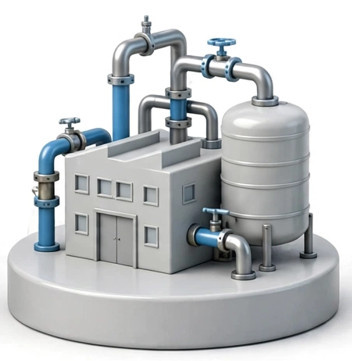
Applications of Recovered Water
Water recovered through ZLD systems can be reused for various industrial applications, helping industries conserve water, reduce discharge, and achieve sustainable operations.
Industrial Process Reuse
Recovered water can be reused in manufacturing processes to reduce freshwater consumption.
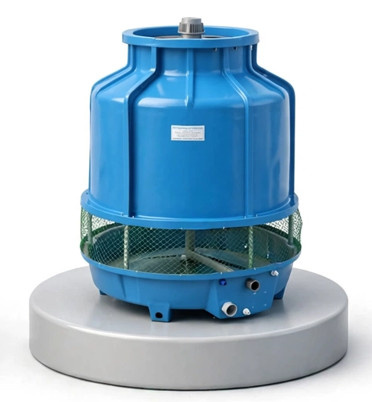
Cooling Tower Applications
Used as cooling tower makeup water after achieving required treatment quality.
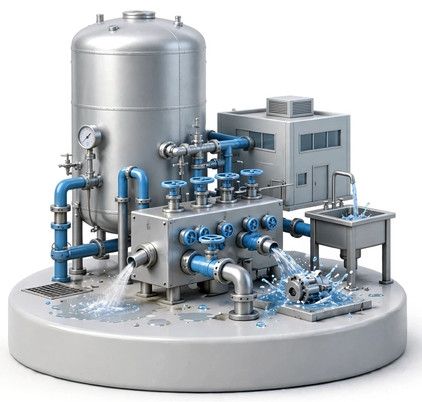
Industrial Utility Requirements
Supports various non-potable utility applications within industrial facilities.
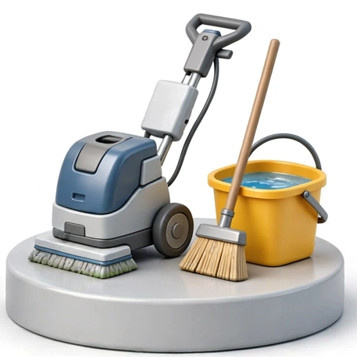
Equipment & Floor Cleaning
Suitable for machinery cleaning, floor washing, and general industrial housekeeping.
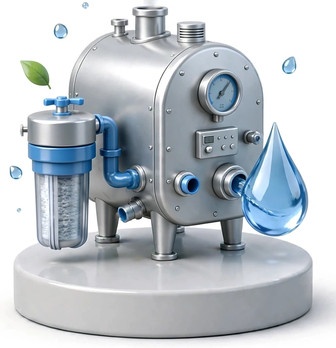
Boiler & Utility Operations
Can support utility systems after required purification and quality treatment.
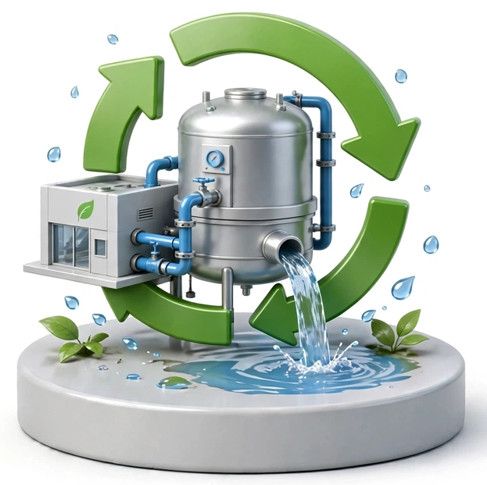
Process Water Recycling
Enables continuous recycling of recovered water within industrial operations.
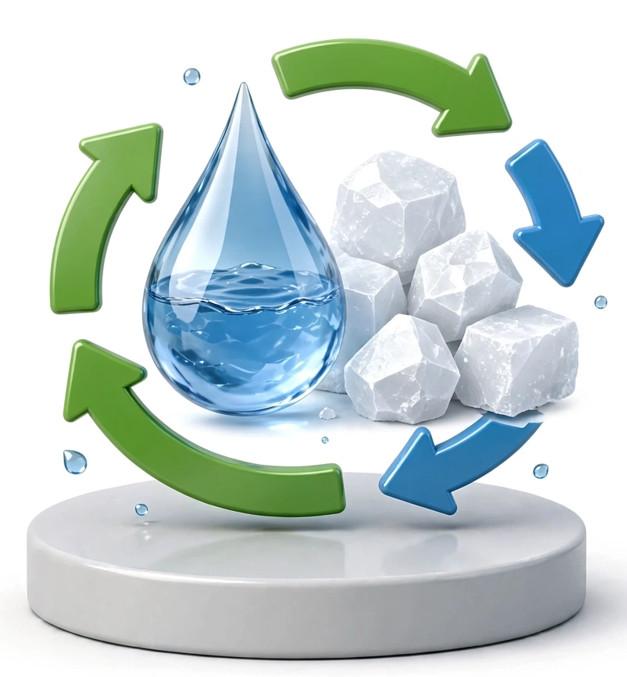
Salt & Solid Recovery
Helps recover dissolved solids and convert waste streams into manageable solid residues.
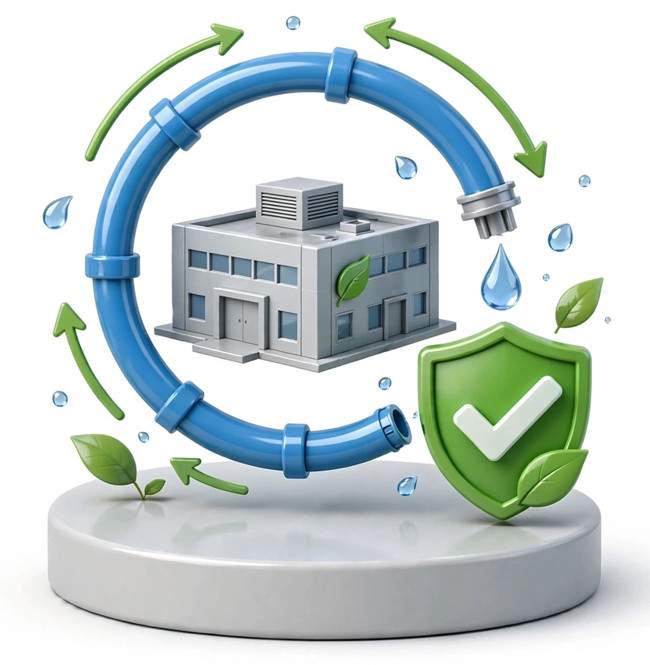
Zero Liquid Discharge Compliance
Helps industries eliminate liquid waste discharge and meet environmental regulations.
ZLD Technologies
SECS provides customized ZLD solutions by integrating advanced treatment technologies selected according to wastewater characteristics and recovery requirements.
Reverse Osmosis (RO) System
Advanced membrane technology used to recover reusable water while concentrating dissolved impurities.
Multiple Effect Evaporator (MEE)
A thermal evaporation system designed to reduce liquid volume and handle concentrated wastewater streams.
Mechanical Vapor Recompression (MVR)
Recompresses and reuses vapor energy to improve evaporation efficiency and reduce energy consumption during water recovery.
Agitated Thin Film Dryer (ATFD)
Processes concentrated slurry and converts it into dry solid residue for efficient waste management.
Crystallizer System
Recovers dissolved salts by converting concentrated liquid streams into solid crystals.
Ultrafiltration (UF) System
Removes fine suspended particles and improves water quality before advanced treatment stages.
ZLD Solutions for
Water-Intensive Industries
Shreya Environmental Consultancy Services provides customized Zero Liquid Discharge solutions for water-intensive industries with specific wastewater characteristics, water recovery objectives, and liquid discharge management requirements.
Pharmaceuticals
Chemicals
Food & Beverage
Textile
Dairy
Hotels & Resorts
Hospitals
Commercial Buildings
Manufacturing
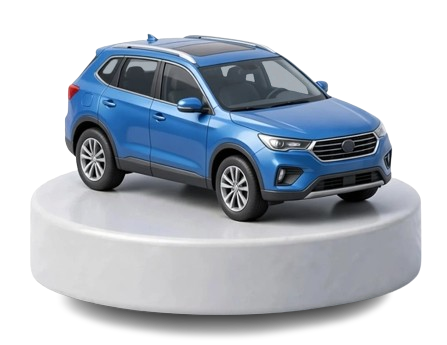
Automobile
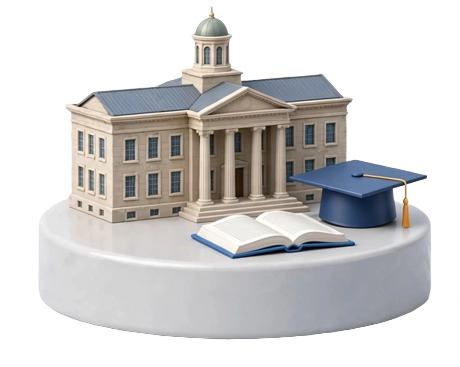
Educational Institutions
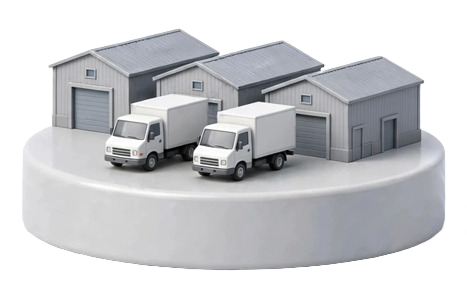
Industrial Parks
Benefits of ZLD Solutions
Zero Liquid Discharge systems help industries maximize water recovery, reduce wastewater disposal challenges, and achieve sustainable water management goals.
Maximum Water Recovery
Recovers wastewater and enables reuse of treated water within industrial operations.
Zero Liquid Discharge
Eliminates liquid wastewater discharge by managing concentrated waste streams effectively.
Reduced Freshwater Dependency
Helps industries reduce freshwater consumption through efficient water recycling.
Environmental Compliance
Supports industries in meeting strict wastewater discharge regulations and sustainability requirements.
Resource Recovery
Enables recovery of valuable salts and minimizes waste generation.
Sustainable Operations
Promotes responsible water management and long-term environmental benefits.
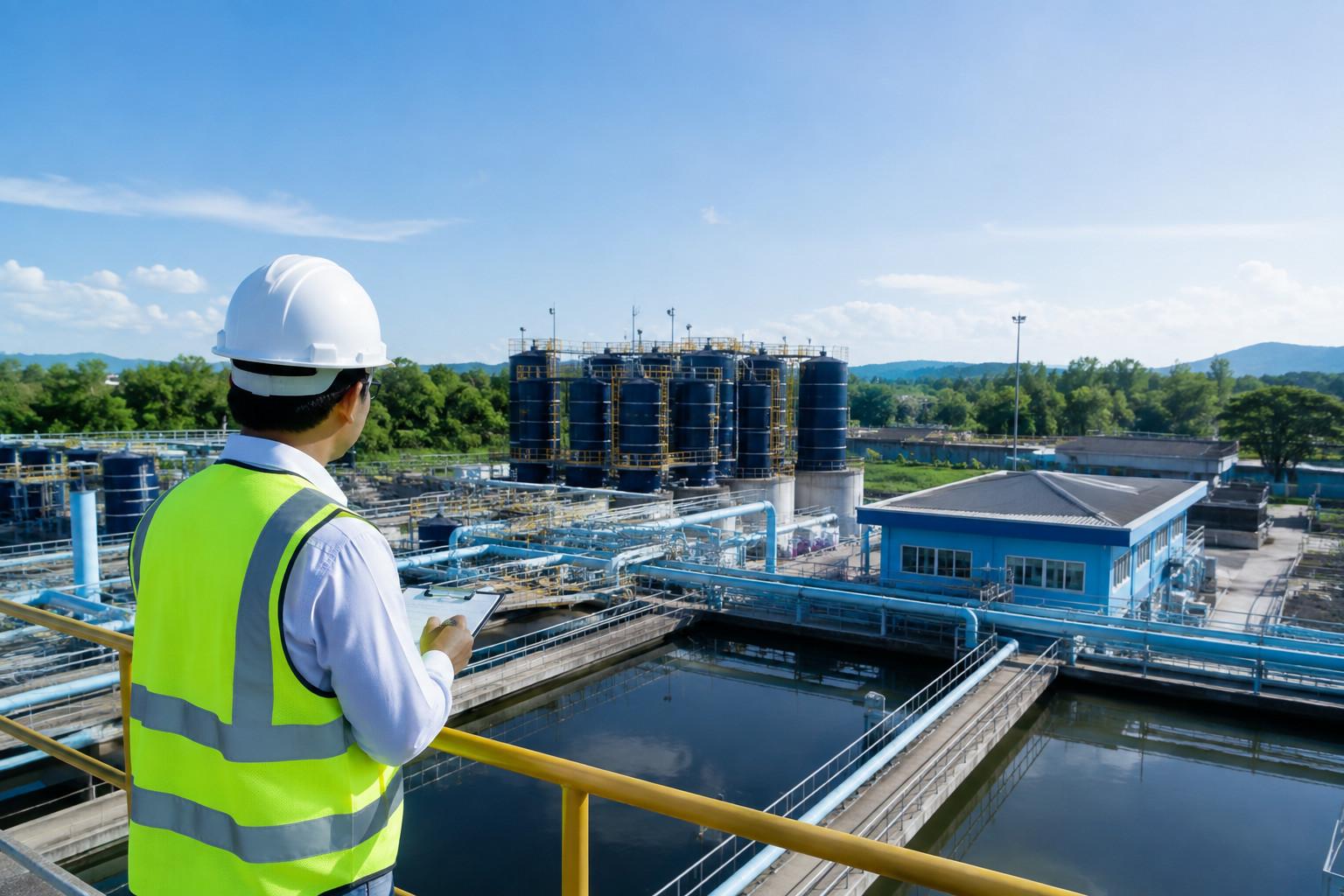
20+
years
of Experience
Why Choose SECS for ZLD Solutions
SECS delivers customized Zero Liquid Discharge solutions with advanced engineering expertise, reliable execution, and a focus on sustainable water recovery.
Customized ZLD Design
We design ZLD systems based on wastewater characteristics, recovery goals, and specific industrial requirements.
Complete Project Support
From wastewater assessment and engineering design to installation and commissioning, we provide complete project assistance.
Advanced Treatment Expertise
We integrate suitable membrane and thermal treatment technologies for efficient water recovery.
Industry-Specific Solutions
Our ZLD solutions are developed for industries with complex wastewater challenges and strict discharge requirements.
Sustainable Water Management
We help industries reduce water consumption, minimize waste, and achieve long-term sustainability goals.
Need a Reliable ZLD Solution?
Discuss your wastewater recovery and Zero Liquid Discharge requirements with our team for a solution designed around your process, water recovery objectives, and operational needs.
Discuss Your Project